The Genesis of a Climate Vision
For Hakan, collaboration across governments, business, and civil society is the only path where economic growth and environmental stewardship advance together.
Climate Resilience: The Conquest of the Seven Summits
Hakan Bulgurlu set out on a mountaineering journey with the ambition of climbing the highest peaks on each continent. His journey began with Aconcagua, Mount Elbrus in Russia, and Carstensz Pyramid—each ascent strengthening his discipline and deepening his perspective.
As this ambition took shape, he turned his gaze to Mount Everest, the world’s highest and most unforgiving peak, as a deliberate decision to turn an extreme human experience into a platform for climate awareness.
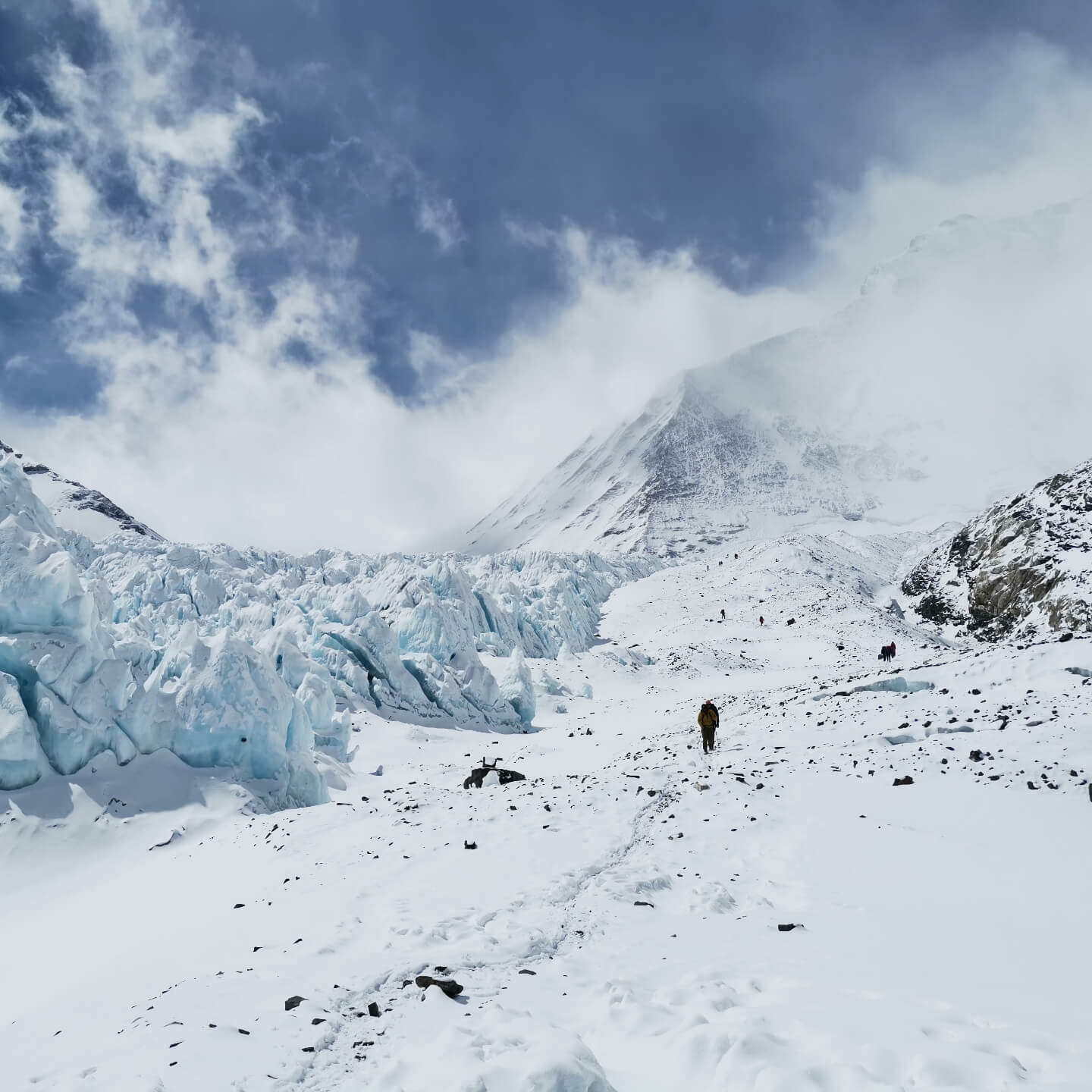
Climbing Everest in 2019 via the Nepal–China route during one of the mountain’s most demanding seasons, he used the scale and visibility of the mountain to draw attention to the urgency of the climate crisis and the responsibility it demands —an experience he later captured in his first book, A Mountain to Climb.
Notes from Remote Places
Hakan Bulgurlu has long been drawn to remote places to step away from routine and comfort. Mountains, ice fields, and remote landscapes are not destinations to conquer, but environments to return to, places that invite observation, patience, and humility.
His early mountaineering journey began with an ambition to climb the highest peaks on each continent. Ascents such as Aconcagua, Mount Elbrus, and Carstensz Pyramid sharpened his discipline and expanded his perspective. Over time, this path led him to Everest, not as a personal milestone, but as a conscious decision to turn an extreme human experience into a platform for climate awareness.
Climbing Everest in 2019—during one of the mountain’s most notorious and demanding seasons—he used the scale and visibility of the climb to spotlight the urgency of the climate crisis and the responsibility it demands. The experience later became the foundation of his first book, A Mountain to Climb.
Across these journeys, one realization quietly took shape: proximity changes perspective. What feels distant in reports becomes immediate when witnessed firsthand.
From Field Notes to Books
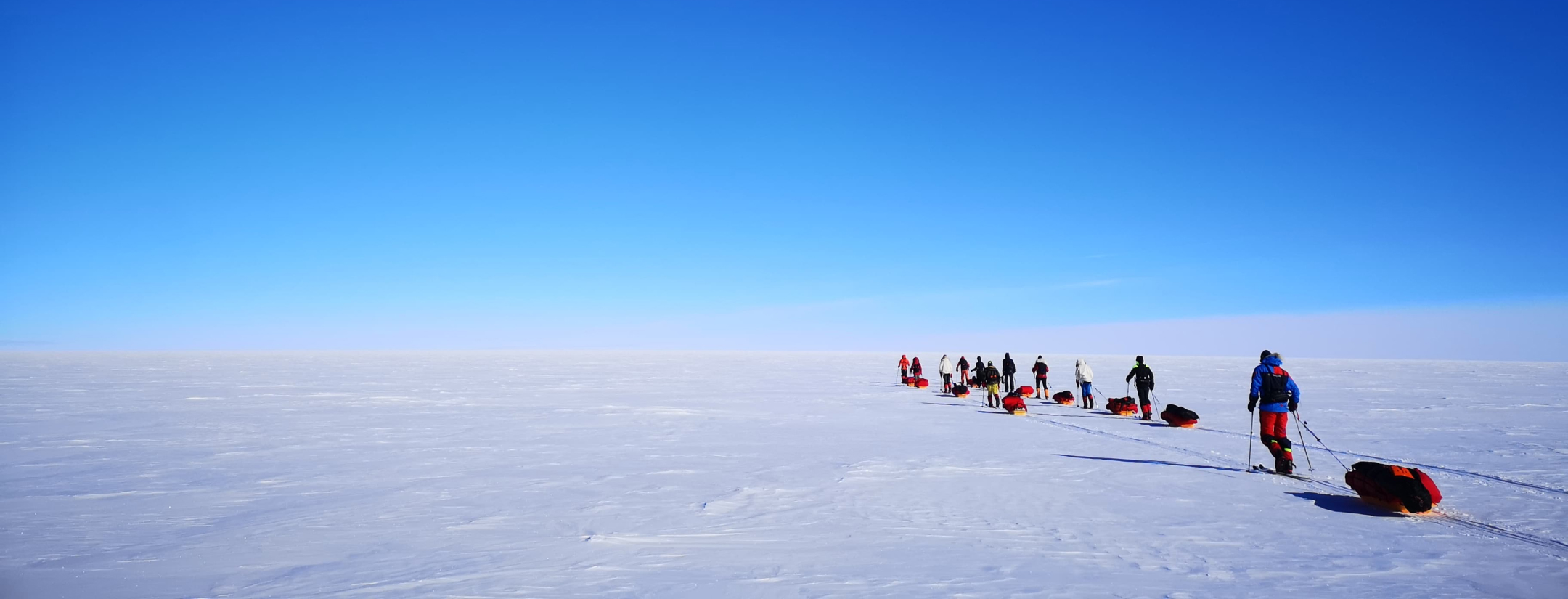
Each expedition became more deliberate, each destination more purposeful. Antarctica felt like a different kind of threshold. Not a peak to conquer, but a vast, exposed place where change is visible in its rawest form.
After climbing Mount Vinson, the highest point on the continent, Bulgurlu became the first Turkish person to reach the South Pole under his own power. The point was not to celebrate personal endurance. It was to bear witness to what is already unfolding at the planet’s edges and to invite more people into a shared sense of responsibility.
Antarctica is often described as distant. Up close, it is uncompromisingly clear. The scale is immense, but the signals are precise. You see how quickly fragile systems can shift, and how directly those shifts connect back to our everyday choices.
Throughout the journey, Bulgurlu documented what he saw and felt. These observations began as field notes and later evolved into narratives that connect extreme geographies with everyday decisions, translating lived experience into language others can access. His new book, On Thin Ice, builds further on research conducted alongside leading scientists, expanding these reflections into a deeper exploration of polar regions and the accelerating risks of ice melt and rising sea levels.
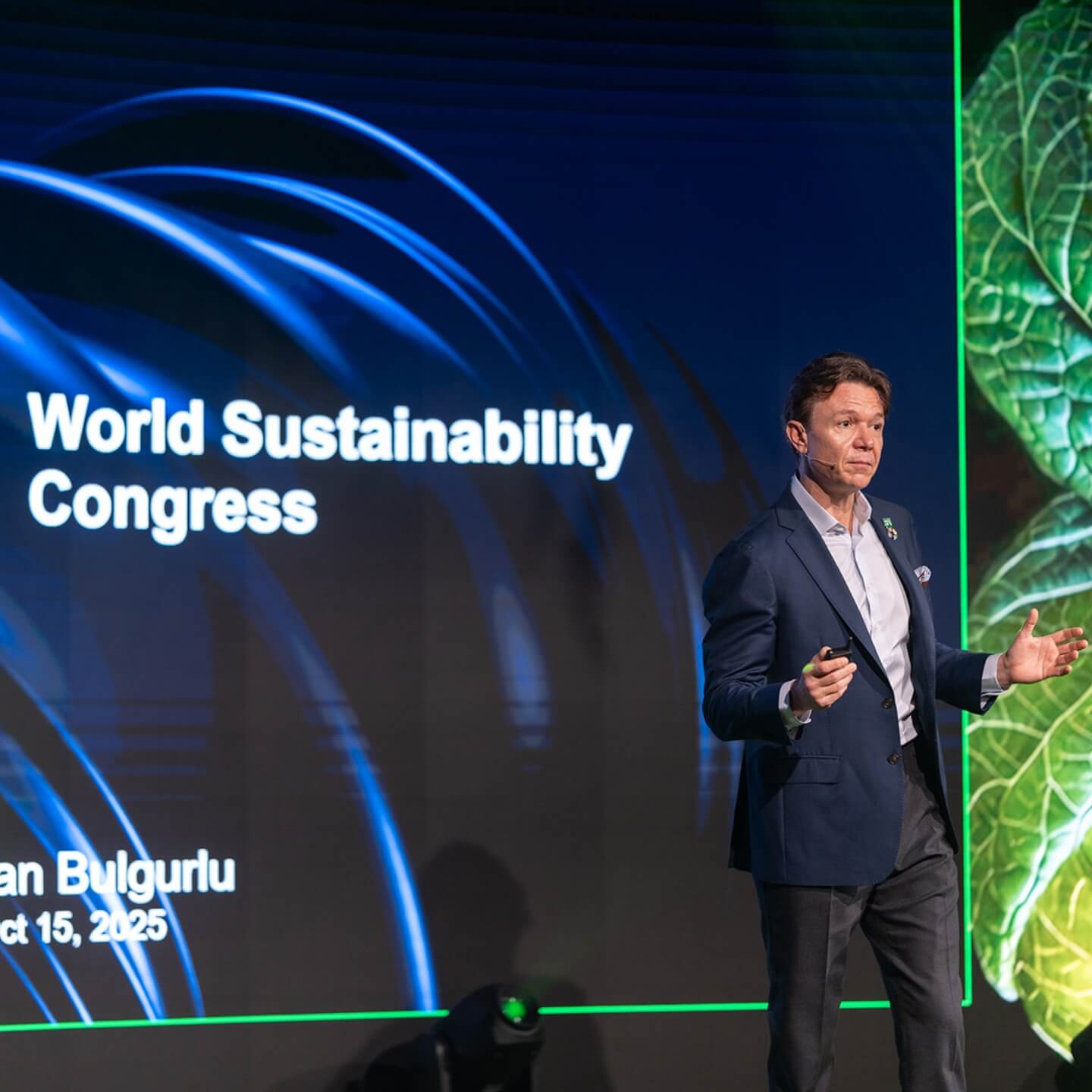
From Observation to Conversation
“If sustainability remains a side project, it will never deliver. It has to become part of how decisions are made, every day, at scale.
I have always believed that observation carries responsibility. Once you see what is changing, silence becomes a choice. That is why I use every platform I am part of, from global summits and industry forums to public channels, to keep the climate conversation grounded in reality, and to ignite action where decisions are taken, from boardrooms to everyday practice.”
What Climate Reality Changes in How We Work
“Climate reality has already changed how we work, whether we choose to acknowledge it or not. It reshapes risk, investment horizons, supply chains, and the expectations placed on leadership.
This is not an environmental layer added to business; it is a structural shift that forces us to rethink how decisions are made, how performance is measured, and how value is created.
Leadership today is tested in moments of trade-off: when short-term pressure conflicts with long-term resilience. The real challenge is not setting targets, but embedding climate considerations into how organizations plan, operate, and grow. When this integration is delayed, risk accumulates quietly; when it is done well, resilience becomes a competitive advantage.”